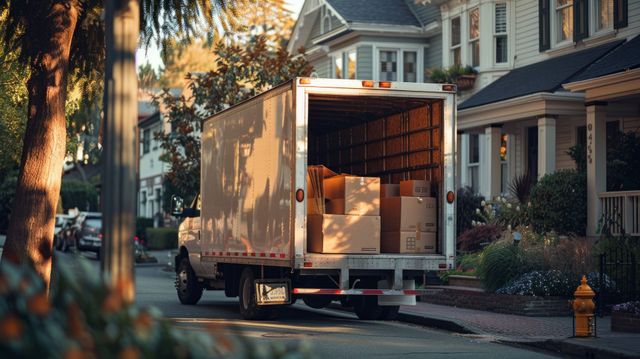
Relocation is often described as one of the most stressful experiences people go through, but in many cases the stress does not come from the move itself. Instead, it comes from the lack of structure during the preparation phase. When individuals or families approach relocation without a clear plan, the process quickly becomes overwhelming.
A structured moving plan allows people to manage the relocation process step by step. Instead of trying to handle everything at once, tasks are divided into smaller stages that can be completed over time. This approach significantly reduces stress and makes the entire experience easier to manage.
The Importance of Early Planning
One of the biggest advantages of structured relocation planning is the ability to prepare in advance. When people begin organizing their move several weeks ahead of time, they have the opportunity to evaluate their belongings, gather packing supplies, and schedule transportation without unnecessary pressure.
Planning early also helps prevent last-minute decisions that can lead to mistakes. For example, people who wait until the last few days to pack often rush through the process and end up placing unrelated items in the same boxes. This creates confusion when unpacking later.
Many relocation specialists recommend reviewing professional moving preparation tips before starting the packing process. These guidelines can help individuals understand how to organize tasks efficiently and avoid common relocation mistakes.
You can read additional relocation guidance here: https://ww.moving.com/tips/
Sorting Belongings Before Packing
Another key step in structured relocation planning is sorting belongings before packing begins. Over time, most households accumulate items that are rarely used. Moving these unnecessary belongings only adds extra work during both packing and unpacking.
Creating simple categories such as keep, donate, and discard helps simplify the process. By reducing the number of items that need to be transported, individuals can pack more efficiently and avoid clutter in their new space.
This stage also provides an opportunity to organize items more effectively. For example, grouping similar belongings together makes it easier to locate them after the move.
Developing a Packing Strategy
Packing is one of the most time-consuming aspects of relocation, which is why having a strategy is essential. Instead of packing randomly, it is better to approach the task room by room.
Packing items by category ensures that belongings remain organized and helps movers place boxes in the correct locations upon arrival. Clear labeling is also extremely helpful. Each box should include both the destination room and a brief description of its contents.
Many relocation experts suggest following a detailed packing and moving checklist to track progress throughout the packing process. Checklists help ensure that important tasks are not overlooked and that every stage of preparation is completed on time.
A helpful packing guide can be found here: https://www.consumerreports.org/moving/how-to-pack-for-a-move/
Using structured checklists makes the packing process far more manageable and reduces the likelihood of forgetting important items.
Protecting Fragile Items
Fragile belongings require extra attention during relocation. Glassware, electronics, and decorative objects should always be wrapped carefully using protective materials such as bubble wrap or packing paper.
Placing heavier items at the bottom of boxes and lighter items on top also helps prevent damage. Proper cushioning inside boxes ensures that fragile items remain stable during transportation.
Many professional movers also recommend filling empty spaces within boxes with soft materials to prevent items from shifting during the move.
Coordinating Transportation
Transportation is another critical stage of the relocation process. Whether moving locally or across longer distances, coordinating transportation in advance ensures that belongings arrive safely and on time.
Scheduling moving services early allows individuals to choose a convenient date and avoid conflicts during busy moving periods. It also provides enough time to organize loading procedures and prepare furniture for transportation.
Working with professional relocation specialists can simplify this process significantly. Experienced movers understand how to handle large furniture, fragile items, and heavy boxes safely.
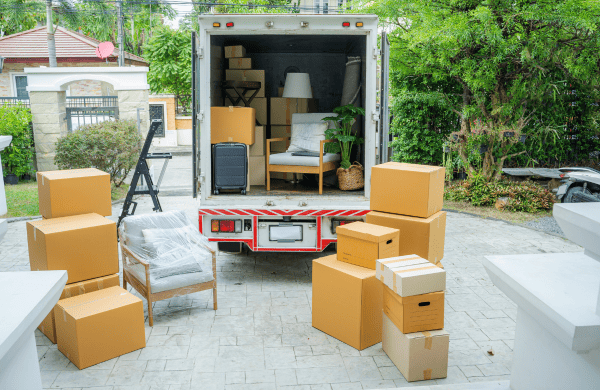
Professional moving teams such as MoveMates LLC provide valuable support during relocation by managing transportation logistics and ensuring that belongings are handled carefully throughout the process.
Their services can help families and businesses complete relocations efficiently: https://themovingmates.com
Having experienced professionals involved often reduces the physical effort required during moving day and allows individuals to focus on settling into their new environment.
Communication During the Moving Process
Clear communication plays a major role in successful relocation planning. When multiple people are involved in a move, assigning responsibilities helps ensure that tasks are completed efficiently.
For example, one person might coordinate packing while another organizes transportation schedules. This division of responsibilities prevents confusion and ensures that progress continues steadily.
Communication is equally important when working with professional movers. Providing accurate information about the size of the move, fragile items, and special requirements allows relocation teams to prepare properly.
Preparing for Moving Day
As moving day approaches, final preparations should be completed to ensure a smooth transition. Confirming transportation schedules, finishing packing tasks, and preparing essential items all help prevent last-minute stress.
Many people find it helpful to create an essentials box that contains items needed immediately after arriving at the new location. This box may include personal documents, phone chargers, medications, toiletries, and basic kitchen supplies.
Having these items easily accessible makes the first day in a new home significantly more comfortable.
Settling Into the New Space
After arriving at the new location, unloading should follow the same organizational system used during packing. Boxes labeled for specific rooms should be placed directly in those areas to simplify unpacking.
Starting with the most important areas—such as bedrooms, kitchens, and bathrooms—allows individuals to make the new space functional quickly. Gradually unpacking the remaining boxes prevents the process from becoming overwhelming.
Relocation often represents the beginning of a new chapter in life. Whether moving for career opportunities, family reasons, or lifestyle changes, the experience can be both exciting and challenging.
With careful preparation, structured planning, and the support of experienced professionals, the moving process becomes far more manageable. Instead of feeling chaotic, relocation can unfold as a well-organized transition into a new environment.